
San Jaume Church: A Hidden Gem in Alcudia's Old Town
August 02, 2025

We explored San Jaume Church for about an hour, fascinated by the rare collection of religious artifacts and the stunning Gothic architecture. The church is easily accessible from Alcudia's old town, with helpful audio guides that brought the historical details to life.
Hidden in Alcudia's medieval walls, San Jaume Church guards centuries of Mallorcan religious history within its stone walls. Uncover the secret stories of priestly vestments and art that have survived invasions, time, and changing cultures.
Need-to-Know Info Before Visiting San Jaume Church

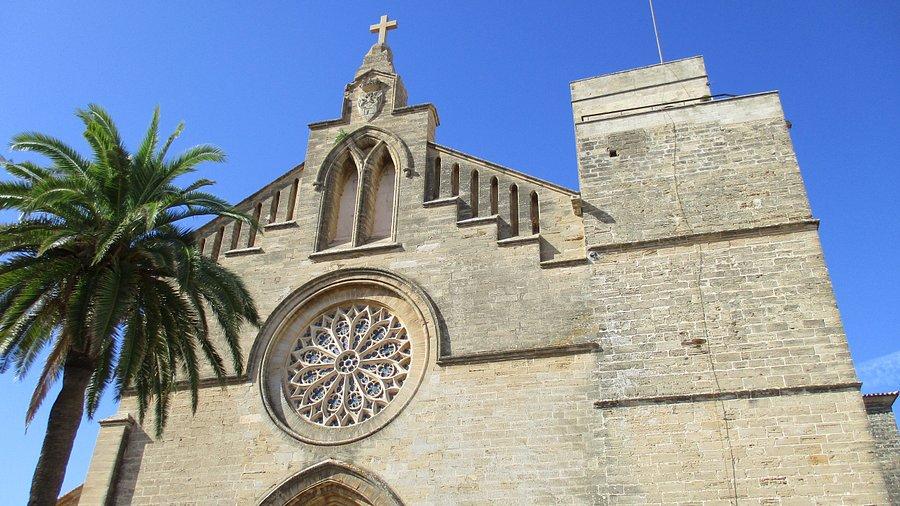
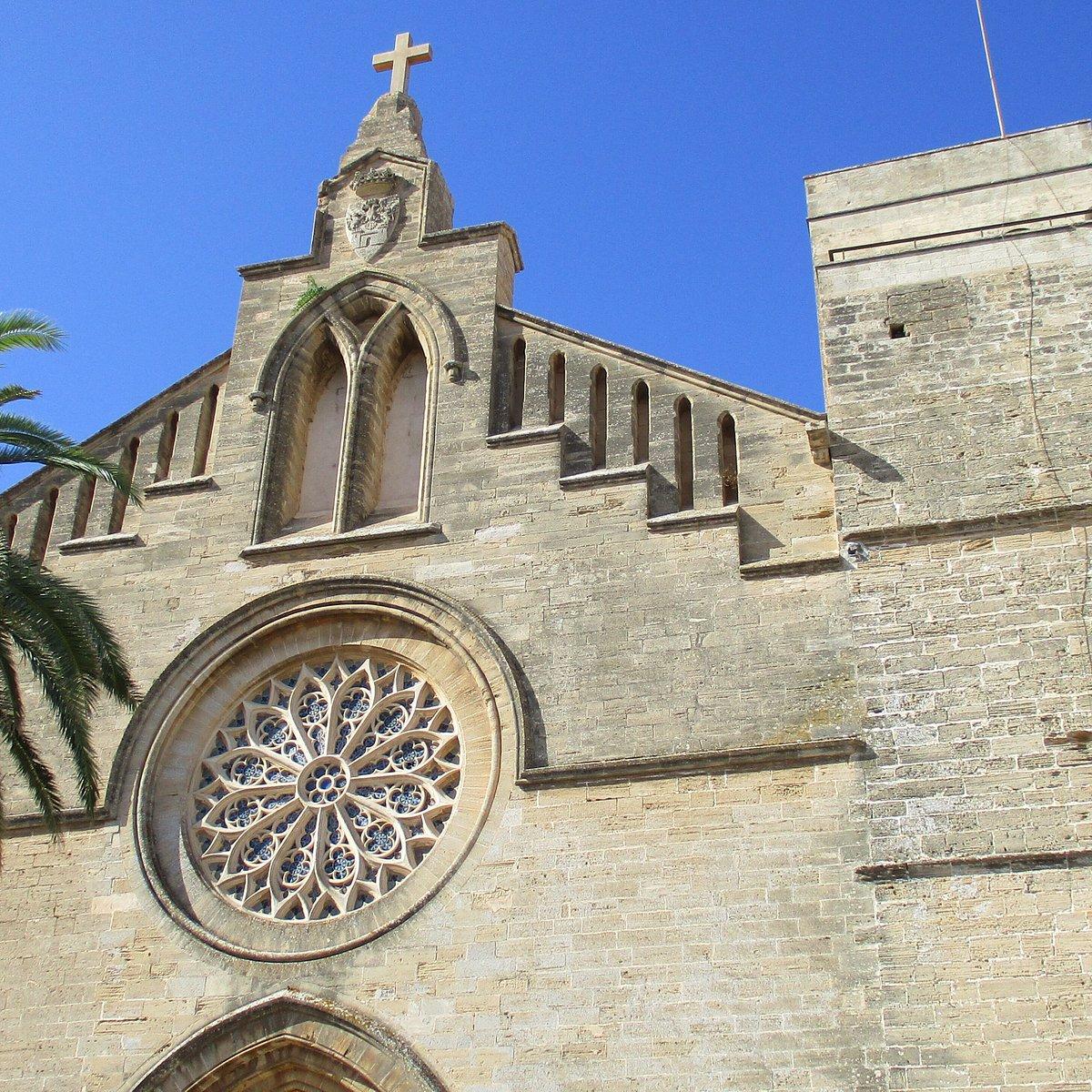

5+
images
San Jaume Church Address
Carrer de la Porta de Mallorca, 07400 Alcúdia, Mallorca, Spain
San Jaume Church Opening Hours
- 🕒 Summer (May-September): Monday-Saturday 10 AM - 6 PM
- 🕒 Winter (October-April): Monday-Saturday 10 AM - 4 PM
- 🕒 Closed on Sundays and major religious holidays
How to get to San Jaume Church
- 🚗 By car: Park in Alcudia Old Town public parking areas
- 🚌 Public transport: Bus lines from Palma and nearby towns stop in Alcudia
- 🚕 Rideshare: Taxi services available from Palma and Alcudia center
What is San Jaume Church known for?
- 15th-century Gothic architectural marvel located in Alcudia's historic walled city
- Houses significant religious artifacts including rare priestly vestments and historic paintings
- Features intricate stone masonry and preserved medieval architectural elements
- Important cultural landmark representing Mallorca's rich Catholic heritage
What is San Jaume Church in Alcudia (Mallorca)?
Tucked inside Alcudia's medieval walled city, San Jaume Church stands as a key historical landmark that draws history buffs and architecture enthusiasts from across Europe. This 15th-century Gothic church isn't just another tourist stop - it's a living museum showcasing Mallorca's rich religious heritage. Travelers typically spend about 45-60 minutes exploring its interior, which houses an impressive collection of religious artifacts including rare priestly vestments and centuries-old paintings. Located in the heart of Alcudia's old town, the church attracts moderate crowds during summer months, with peak visitor times between 11 AM and 2 PM. Photography is permitted inside, making it a favorite spot for travelers wanting to capture Mallorca's historical architecture. The church's stone masonry and preserved medieval elements provide a genuine glimpse into the island's cultural past, offering visitors more than just a quick photo opportunity. Stone archways, intricate religious sculptures, and carefully preserved religious paintings create an immersive experience that connects visitors directly with Mallorca's historical narrative.
Top things to do at San Jaume Church
- Explore the museum-like interior featuring a rare collection of historical priestly vestments from different centuries
- Admire the Gothic architectural details, including stone arches and intricate medieval craftsmanship around the church nave
- View the permanent exhibition of religious paintings that showcase local Mallorcan artistic traditions
- Check out the carefully preserved religious artifacts displayed in secured glass cases throughout the church
- Listen to the free audio guide that explains the historical significance of each section of the church
- Photograph the stunning stained glass windows that filter natural light into the church's interior
- Observe the architectural transition points that demonstrate different construction periods from the 15th to 18th centuries
Tickets for San Jaume Church
Entry to San Jaume Church is free for visitors. However, donations are appreciated to support ongoing preservation efforts. No advance booking is required for individuals, but group tours should contact the church administration in advance. The church offers free brochures and audio guides at the entrance, available in multiple languages including Spanish, English, and German.
Dress Code
As an active Catholic church, visitors are expected to dress respectfully. This means covering shoulders and knees. Avoid wearing shorts, sleeveless tops, or revealing clothing. Comfortable walking shoes are recommended as the church interior involves walking on uneven stone surfaces. Scarves or shawls are available at the entrance for visitors who need to cover up.
History of San Jaume Church
- 1310: Initial construction of the church begins during the medieval period of Mallorca
- 1433: Major Gothic architectural renovation transforms the original structure
- 1551: Church suffers damage during Barbary pirate raids on Alcudia
- 1716: Significant restoration work completed after structural damage
- 1889: First comprehensive historical inventory of church artifacts completed
- 1985: Declared a national historical monument by Spanish government
- 2005: Major conservation project restores key architectural elements
Cultural Significance
San Jaume Church represents more than a religious building - it's a symbol of Alcudia's resilient cultural heritage. The church has survived multiple historical challenges, including pirate invasions and economic shifts. Its collection of religious artifacts tells the story of Mallorca's Catholic traditions and artistic evolution through centuries. Local community still uses the church for important religious ceremonies, maintaining its living cultural importance.
Tips for Visitors
- Photography is allowed but without flash to protect artifacts
- Plan about 45-60 minutes for a comprehensive visit
- Pick up a free audio guide at the entrance for detailed explanations
- Bring water, especially during summer months
- Check local event calendar - occasional concerts and cultural events happen here
- Nearest public restrooms are in Alcudia's old town center, about 5 minutes walk
- Accessibility is limited due to historical stone structures - some mobility challenges exist
What are some interesting facts about San Jaume Church?
- The church's oldest religious vestment dates back to 1492 and was worn during the first Christian ceremonies after the Reconquista of Mallorca
- During the Barbary pirate raids in the 16th century, local residents used the church's thick stone walls as a defensive stronghold against invasions
- Some of the church's stonework contains original mason marks from medieval builders, which are rare historical signatures that reveal the craftsmen's personal identifications